
The Future of Therapy is Here, But Are We Ready? AI’s Mental Health Revolution 🤖🧠
Artificial intelligence is no longer the stuff of science fiction; it’s actively reshaping the landscape of mental healthcare. From AI-powered chatbots to sophisticated diagnostic tools, technology is making therapy through AI’s Mental Health Revolution, more accessible, personalized, and proactive than ever before. But as we embrace these incredible advancements, it’s crucial to proceed with caution and a clear understanding of the limitations.
What I have found as a counsellor, inspirer, therapist of 25 years in the fields of dual diagnosis, addiction, personality disorders and general anxiety and depression treatment is that information needs to be interpreted and felt — wholeheartedly. When we are given bite sized clumps of information about ourselves it generally means very little. It is through. sequences, through processes and programs that we put the pieces together and for that you need a wise, informed, educated, experienced human being. You need soul! There’s very little artificial about that. There is a lot of algorithm guess work, mostly through social bias, misinformation and bad theories that don’t work in the ‘real-world’ that will give people near misses. That’s a big deal when our business is about saving lives.
The Breakthroughs: A New Era of Accessibility and Support
AI’s Mental Health Revolution is breaking down traditional barriers to mental wellness in several key ways:
- 24/7 Accessibility: AI-driven platforms like Woebot and Wysa offer round-the-clock support, providing a valuable resource for individuals in moments of distress or when traditional therapy is unavailable. Something is better than nothing?
- Personalized Treatment: By analyzing user data, AI can tailor therapeutic exercises and conversations to an individual’s specific needs and progress, offering a farily personalized approach to mental health management.
- Early Detection: AI algorithms can analyze speech patterns, text messages, and even social media activity to identify early warning signs of mental health conditions, enabling earlier intervention and support.
- Reduced Stigma: For those who may feel hesitant to speak with a human therapist, AI can offer a non-judgmental space to explore their feelings and take the first steps toward seeking help. This connection issue is a biggie. People don’t think they need the connection.

A Dose of Caution: The Critical Considerations
Despite the immense potential, the integration of AI’s Mental Health Revolution into therapy raises important ethical and practical concerns that we cannot ignore:
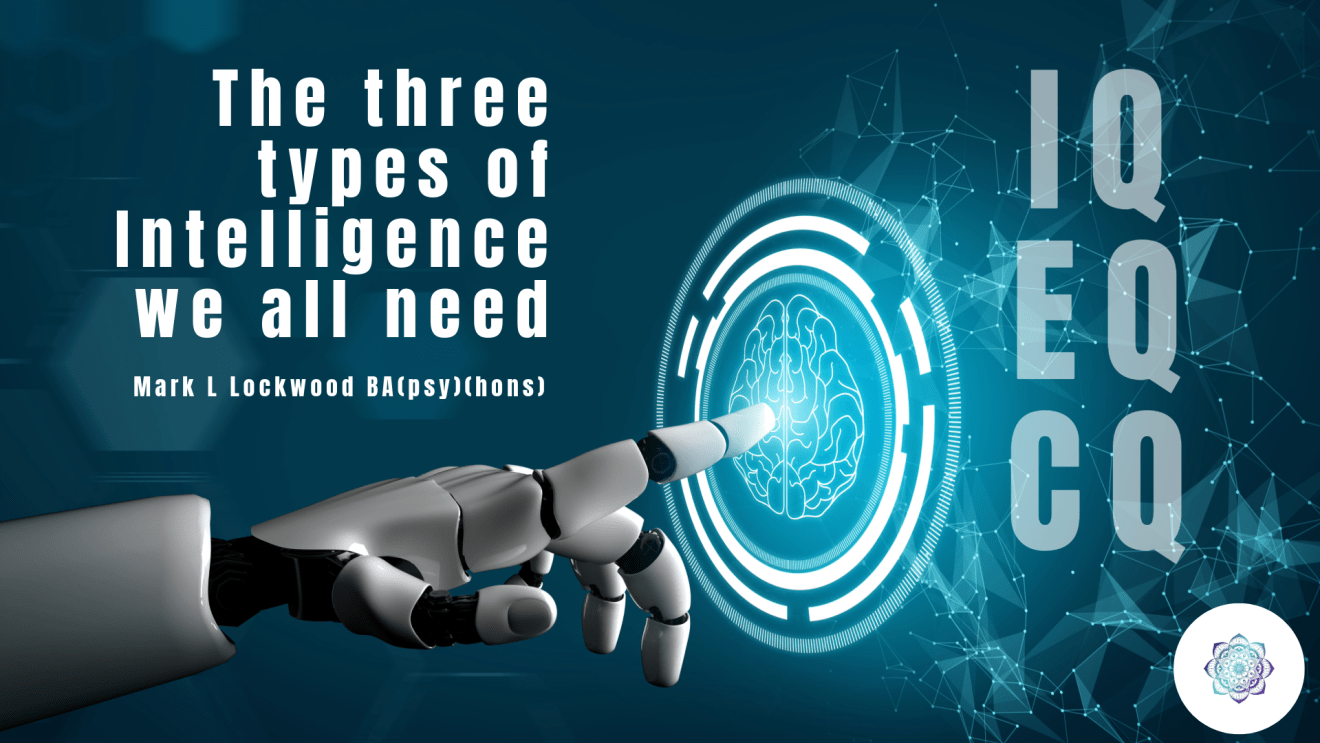
- The Empathy Gap: While AI can simulate empathetic conversations, it cannot replicate the genuine human connection and nuanced understanding that are the cornerstones of effective therapy. The therapeutic alliance, a key predictor of successful outcomes, remains a uniquely human domain. Plenty IQ but very little EQ.
- The Wisdom Gap: While AI has plenty of knowledge and information I find that it has little inspiration and almost no wisdom. Information is arguably making people more anxious, stressed and confused. This is what we call Contemplative Intelligence (CQ). Thinking about reality as it is without the masks of the defensive persona.
- Algorithmic Bias: AI models are trained on data, and if that data reflects societal biases, the AI can perpetuate and even amplify them. This could lead to inequitable or inappropriate care for individuals from marginalized groups.
- Privacy and Data Security: Conversations about mental health are deeply personal. The use of AI necessitates robust security measures and transparent data policies to ensure that sensitive information remains confidential and is used ethically.
- Crisis Management: There are significant concerns about the ability of AI to appropriately handle severe mental health crises, such as suicidal ideation. Human oversight and clear protocols for escalation to human professionals are non-negotiable.
The Path Forward: A Hybrid Approach
The future of mental healthcare likely lies not in a full replacement of human therapists, but in a collaborative, hybrid model. AI can serve as a powerful tool to augment the work of clinicians, handling tasks like initial screenings, providing between-session support, and offering data-driven insights. This frees up therapists to focus on what they do best: building relationships, providing deep empathetic understanding, and navigating the complex human experience.
As we continue to innovate through AI’s Mental Health Revolution, a commitment to ethical development, rigorous testing, and unwavering transparency will be paramount. By embracing the breakthroughs while respecting the inherent limitations, we can harness the power of AI to create a more accessible and effective mental healthcare system for all.
In the final analysis, AI will be a useful research tool for therapists and clients alike. But will it provide mental health advantages? Some. It will bring some folks up to speed so to speak about issues they may have no knowledge or understanding about — like why you need to get help for mental and emotional health issues. Solving problems at the highest level for me still remains a spiritual solution. Not one that any kind of intelligence can overcome. Remember that super intelligent, talented and capable people also have mental health issues. They become famous, and then fall apart, addicted and depressed for example. What they thought was good for them, ended up as bad. Carl Jung said that all of life’s problems are virtually unsolvable and can only be outgrown. The relationship with the therapist alone, can do just that.
“Metacognition for me is mind beyond matter” Mark L Lockwood BA(psy(hons)
The integration of AI in mental healthcare offers enhanced accessibility, personalized treatment, and early detection of issues. However, it raises ethical concerns regarding empathy, wisdom, algorithmic bias, and privacy. A hybrid model combining AI with human therapists may provide the best support, preserving the human connection essential for effective therapy. On we go!

Leave a Reply